
How Do Animals Commonly Damage Roofs in Cortland, NY?
Small mammals, birds, and insects frequently cause damage to residential roofs in this region. These impacts often go unnoticed until they turn into costly problems.
The most common offenders are squirrels, raccoons, woodpeckers, and bats. Squirrels and raccoons typically try to access attics for warmth or nesting, tearing through shingles, fascia, and even structural wood. Birds, especially woodpeckers and starlings, can peck holes or build nests in gutters and under soffits, leading to water buildup and potential leaks. Bats and rodents may use small entry points or damaged vents, gradually widening gaps and encouraging further infestations.
What Types of Roof Damage Can Animals Cause?
Animal activity can harm different roof materials and components in several ways:
- Shingles and tiles: Animals may chew, dislodge, or break shingles to reach the attic, creating direct water entry points.
- Ventilation and wiring: Rodents gnaw on plastic roof vents or wiring, risking attic moisture buildup or even electrical hazards.
- Gutters and drainage: Bird nests or droppings can clog gutters, causing water to backflow under roofing materials or spill near the home's foundation.
- Insulation and structure: Nesting animals flatten insulation, reduce energy efficiency, and, over time, damage wooden supports in attics.
Many homeowners in the city only realize there's a problem after spotting water spots, hearing noise overhead, or seeing visible holes from the ground.
Which Animals Are Most Problematic in the Local Area?
Squirrels and raccoons are the most active roof invaders locally. In wooded sections of the city or near open parks, these animals are often observed scampering along power lines, tree branches, and rooftops, especially in early spring and late fall.
Bats occasionally become a problem during the summer months, entering attics through gaps near soffits or loose flashing. Starlings and sparrows, drawn to the shelter and warmth, frequently nest in covered gutters or under loose eaves.
Cortland residents also report issues with insects like carpenter bees or yellowjackets tunneling in wooden trim or soffits, which can destabilize components over time.
How Do Weather and Seasonal Changes Affect Animal Roof Damage?
Both animal activity and its consequences peak during certain seasons. Most incursions start in early spring, as animals seek nesting sites. The fall migration period can renew animal interest in attics and sheltered areas.
- Heavy winter snows may push animals to find warmer indoor spaces.
- Freeze-thaw cycles can enlarge small roof gaps, making it easier for animals to enter.
- Spring rain exacerbates the consequences of even minor roof damage, as exposed spots can quickly become leak sources.
Local roof styles, which often include ventilated attics and intersecting gables, seem particularly vulnerable to animal entry along roof edges and under overhangs.
What Signs Point to Animal-Related Roof Damage?
Spotting animal damage early can make repairs far less extensive. Watch for:
- Scratching, scampering, or thumping noises from above ceilings or attic spaces.
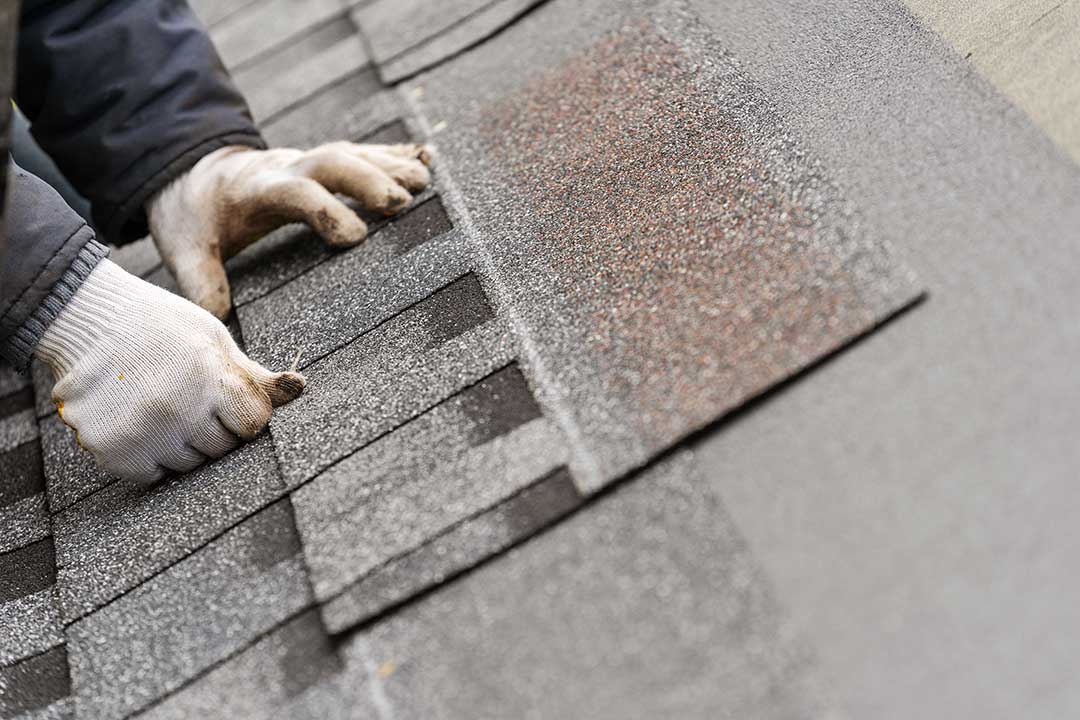
- Uneven, missing, or chewed shingles at the roofline.
- Loose, bent or gnawed vent covers or attic fans.
- Accumulated debris, nesting materials, or excessive droppings in downspouts or gutters.
- Distinctive odors or sudden drafts, indicating breached insulation or exposed openings.
Ignoring these signs can turn a small issue into a wider structural or moisture problem, especially with the humidity cycles familiar in the area.
Can Homeowners Prevent Animal Damage to Roofs?
There are practical steps that reduce the likelihood of animal damage, though no solution is completely foolproof.
- Trim tree branches six to eight feet away from the roof to make animal access more difficult.
- Regularly inspect attic vents, soffits, and roof valleys for gaps wider than a half-inch and make quick repairs if found.
- Keep gutters and drains free from debris and bird nests, especially before rainy seasons.
- Store bird food, pet food, and garbage securely to avoid attracting wildlife.
- Use metal mesh covers for attic vents and reinforce known weak spots like fascia boards.
Many area households schedule routine visual checks in both spring and fall to spot problems before animal activity peaks.
What Are Some Misunderstandings About Animals and Roofs?
A common misconception is that only older or wood-shingle roofs are at risk from animal intrusion. In reality, even new, asphalt-shingle roofs can be vulnerable, particularly where architectural features create sheltered corners or hidden gaps.
Another mistaken belief is that small damage “will seal up” over time. In fact, animals often return to the same entry points year after year unless thorough repairs and deterrents are implemented.
Finally, while large animals like raccoons get much attention, less visible pests such as insects or small birds can start more subtle but widespread deterioration that escalates with each season.
