

How Are New Roofing Materials Improving Durability?
Recent advancements in roofing have brought materials that last longer and require less frequent repair. For homes exposed to Cortland’s mix of snow, rain, summer storms, and freeze-thaw cycles, upgraded materials are especially beneficial.
Some examples include:
- Impact-resistant asphalt shingles designed to withstand hail and high winds
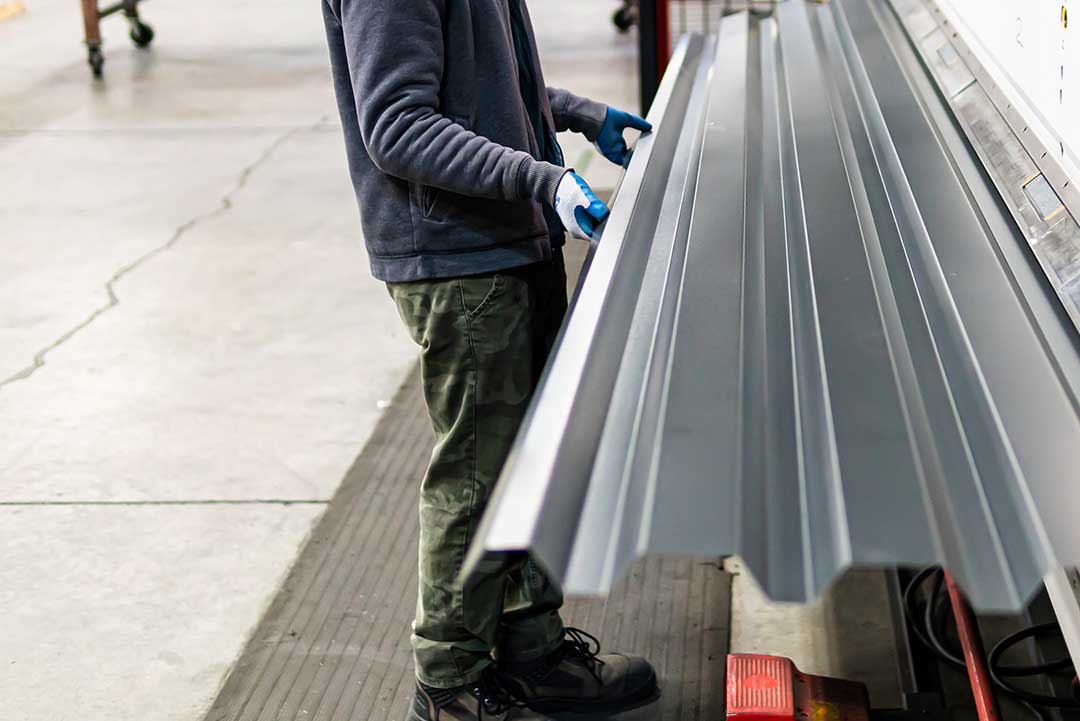
- Metal roofing systems with advanced coatings that resist rust and corrosion—useful for ice dam prevention during harsh winters
- Composite and synthetic shingles that mimic traditional materials but hold up better against moisture and temperature variation
These materials are engineered to reduce issues like shingle curling, moss accumulation, and leaks—problems common with older roofs, especially in areas with heavy snowfall.
What Are “Cool Roofs” and Why Do They Matter Locally?
Cool roofing technology uses special finishes or lighter colors to reflect more sunlight and absorb less heat. While Cortland is more famous for its snowy winters, summer can bring long, sunny days that warm up attics and living spaces.
Cool roofing offers several potential local benefits:
- Lower attic and upper story temperatures during summer
- Easier cooling of homes that lack central air conditioning
- Less stress on any existing cooling system, which can lower seasonal energy costs
Misconception: Some assume these products are only useful in hot climates. However, energy savings and improved comfort can also apply in upstate regions during extended summer warm spells.
How Is Roof Ventilation Being Improved?
Proper ventilation is critical for roofing longevity in areas with shifting temperatures like those in central New York.
Newer systems are more effective at:
- Releasing moist air and preventing condensation (which can cause rot or mold)
- Reducing the risk of ice dams by keeping roof surfaces evenly cool
- Increasing attic comfort and preventing energy waste
Innovations include ridge vents with weather baffles and improved soffit vent designs. Many older homes in the area may lack these modern systems, so retrofitting can be a wise long-term upgrade.
Are Solar Roofing Options Practical?
Solar panels and solar shingles are being integrated into roofing more seamlessly than before.
Here’s what residents often want to know:
- Solar shingles can now resemble standard roofing and may be suitable for historic or appearance-sensitive properties.
- Advances in battery storage and inverter technology improve the usefulness of solar even with Cortland’s winter cloud cover and short days.
However, successful solar installations require careful assessment of tree cover, roof angle, and local historic or zoning regulations. In neighborhoods with mature trees or significant snow, output will vary through the year. For those interested, discussing options with local building officials may clarify what types of installations are accepted.
What Tools Are Helping Spot Roofing Issues Earlier?
Technology is speeding up early detection. Some tools being used more frequently include:
- Thermal cameras and moisture meters for pinpointing leaks or insulation gaps invisible to the eye
- Drones for roof inspections, offering a safer and more complete view, especially on multi-story or steeply pitched homes
Many residents may not realize that routine, tech-enabled inspections can help identify vulnerabilities before a minor issue becomes a major repair—especially after unusual weather.
How Do Modern Roofs Address Sustainability?
There is growing interest in materials and methods that lower environmental impact while maintaining or improving performance.
Some trends include:
- Use of recycled materials in shingles or underlayment
- Green or “living” roofs that incorporate soil and vegetation—though more common in commercial or flat-roof settings, some experimental residential installations can help with stormwater management and urban heat
- Cool roof coatings, which reflect UV rays and can reduce the urban heat island effect, even at a small scale
Sustainability improvements can also mean longer lifespans for roofs, which reduces landfill waste and replacement needs.
What Local Factors Should Influence Roofing Choices?
Cortland’s changing seasons—with heavy rain, freezing temperatures, and periods of intense sun—present unique roofing challenges. Local building codes, historic district rules, and even wildlife (such as squirrels) all play a role in material and design decisions.
Homeowners should consider:
- Steepness of the roof (which affects drainage and snow load)
- Compatibility of new technology with older structures
- The importance of proper attic insulation in tandem with roofing upgrades
- The potential for snow guards to prevent dangerous roof avalanches near walkways during winter
Being aware of local permitting and code requirements can prevent frustration later in the project.
Overlooked Aspects: What Innovations Are Easy to Miss?
While big changes get attention, some subtle upgrades can make life easier for area homeowners:
- Self-sealing underlayments that act as a backup layer of leak protection
- Nail strips and fastener systems that offer stronger wind resistance—important after windstorms
- Improved flashing materials that prevent leaks around chimneys and vents
Often, these are incorporated during re-roofing or replacement but can be added to certain roofs as preventive measures.
