

Why Does Roof Maintenance Need to Be Seasonal in Cortland, NY?
Roof maintenance in Cortland, NY is directly influenced by the region’s varied weather patterns—heavy winter snow, spring showers, hot summers, and windswept autumns. Each season brings unique stressors, so chores must be timed for best results and to avoid damage or costly repairs. A routine that adapts to local climate helps keep homes dry, efficient, and structurally sound.
What Winter Maintenance Steps Protect Roofs From Snow and Ice?
Winter roof maintenance is mainly about preventing ice dams and excess snow buildup. In the Cortland area, frequent freeze-thaw cycles can lead to dangerous accumulations and water leaks.
- Regularly check for ice dams along roof edges and clear small icicles forming on gutters (if reachable safely from the ground).
- After snowstorms, use a roof rake designed for residential use to gently remove heavy snow, especially near eaves. This prevents structural stress.
- Keep attic vents unobstructed to avoid warm air buildup, reducing the odds of ice dams.
- Inspect ceilings and attic spaces for unexpected leaks or dampness, which may signal roof ice or hidden damage.
If safe access isn’t possible, clearing snow or ice should only be attempted by those with proper tools and a clear understanding of roof safety.
How Should Roofs Be Inspected and Maintained in Spring?
Spring in Cortland often brings rain and windstorms. Spring maintenance is a time to catch damage from winter and prepare the roof for wetter months ahead.
- Walk around the home to look for missing, cracked, or curled shingles visible from the ground.
- Clean out gutters and downspouts of accumulated leaves, twigs, and granules; functioning gutters are crucial to channeling away spring rains.
- Inspect for damaged flashing (metal seals around chimneys, vents, or skylights) that could allow water intrusion.
- Look for signs of algae or moss growth, which thrive in damp local conditions and can shorten shingle lifespan.
Common misconception: Spotting only a few minor shingle flaws may not seem urgent, but leaving small damage unaddressed after harsh winters can quickly lead to leaks or greater repairs during spring storms.
What Are the Key Summer Maintenance Tasks for Local Roofs?
Summer is a good time for a more thorough roof inspection since warmer, drier weather makes exterior maintenance safer and easier.
- Check for cracked or warped shingles that might result from past snow loads or summer heat.
- Watch for loose nails or fasteners—these can work their way out over time, especially after freezing and thawing cycles.
- Trim overhanging branches, which can rub against roofing or create shaded, damp spots that foster algae or moss.
- Examine attic insulation and ventilation—proper airflow prevents overheating and moisture buildup, which protects the roof structure year-round.
Practical tip: Many area households overlook the need to ventilate the attic during hot spells. Good attic airflow is just as important in summer as in winter.
What Do Homeowners Overlook During Fall Roof Preparation?
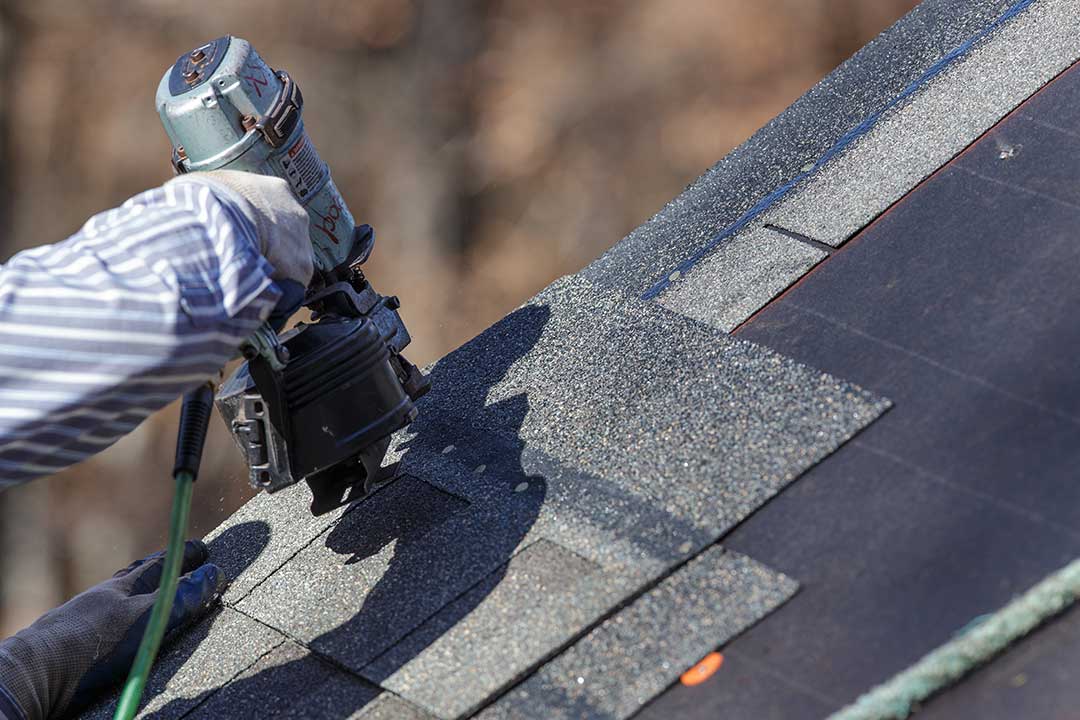
Fall maintenance should focus on preparing for snow and ice ahead. Fallen leaves and small debris can quickly clog gutters and valleys, which are common trouble spots in the community's tree-filled neighborhoods.
- Remove leaves, pine needles, and debris from gutters, downspouts, and roof valleys after the trees shed.
- Inspect the attic and upstairs ceilings for signs of early leaks or discoloration, since small autumn leaks can become large winter problems.
- Double-check seals around vent pipes, chimneys, and skylights, as fall winds often reveal new vulnerabilities before winter sets in.
- Test that roof drainage flows freely away from the home’s foundation.
Overlooked factor: Repeated freeze-melt cycles can push trapped debris deeper into gutters, so extra cleaning late in the season is rarely wasted effort.
How Do Local Weather Patterns Influence Roof Longevity?
Roofs in the city face a mix of high snowfall, ice exposure, gusty winds, and strong summer sun. This mix can shorten the lifespan of common roofing materials if not cared for seasonally. Asphalt shingles, the most popular local choice, handled with attention to seasonal tasks, will resist moss, avoid ice dam leaks, and maintain insulating value longer.
Storm-driven debris, temperature swings, and dense foliage in residential neighborhoods call for more frequent checks and cleaning than in milder areas. Awareness of the local rhythm—such as prepping for lake-effect snow in late fall or heavy leaf drops—helps area households outlast the typical weather wear.
When Is It Safer to Leave Roof Tasks to Professionals?
While most seasonal checklist items can be managed by homeowners, there are situations where safety and complexity are real concerns:
- If the roof is steep, high, or slippery, it’s best to avoid climbing or raking.
- Larger ice dams or heavy, wet snow should not be removed manually from the roof—working from ground level or staying off ladders in icy conditions helps prevent injuries.
- Discovery of widespread shingle damage, significant leaks, or evidence of structural weakness means it is safer to stop and seek expert evaluation.
Being cautious with ladders, tools, and avoiding unnecessary walks on the roof, especially in winter or wet conditions, helps prevent the most common seasonal accidents.
