

How Many Years Does a Roof Usually Last in Cortland, NY?
For most homes in Cortland, a typical roof will last anywhere from 15 to 50 years, depending greatly on materials, installation quality, local weather, and ongoing maintenance. The broad range exists because not all roofs are built or aged the same. Knowing roughly how long to expect a roof to hold up—and what can shorten or extend that timeline—helps residents make informed decisions and spot problems before costly issues arise.
In the city, the most common types of residential roofing are asphalt shingles, metal, slate, and sometimes wood or composite roofs. Each brings its own expected lifespan:
- Asphalt shingles: Generally 15–30 years, with architectural shingles sometimes reaching 40 years under optimal conditions.
- Metal roofing: 30–50 years or longer when properly maintained.
- Slate roofing: 50–100 years, but rare due to cost and weight.
- Wood shakes/shingles: Around 20–30 years, but less common and affected by moisture.
What Local Factors Affect Roof Longevity in Cortland?
Seasonal weather is a main factor influencing roof durability in the region. Prolonged snow loads, freeze-thaw cycles, gusty storms, and significant rainfall create wear that isn’t seen in milder climates.
Roofs in the community often contend with:
- Snow accumulation: Heavy, wet snow can stress older roofs, especially if ice dams form and trap moisture.
- Temperature swings: Winters bring frequent freeze-thaw cycles that can crack or warp shingles, while hot summers may age asphalt quickly.
- Rain and wind: Storms and heavy rains test the integrity of flashing and sealants, sometimes exposing weak spots.
- Tree cover: In leafy neighborhoods, fallen branches or overhanging limbs can cause unexpected wear or breakage.
- Ventilation and insulation: Roofs lacking proper airflow or insulation are prone to trapped moisture, leading to earlier deterioration.
Routine removal of leaves and debris, plus annual basic inspections—even just from the ground—can help roofs reach their full lifespan.
Is Roof Maintenance Worth It for Long-Term Durability?
Consistent upkeep is one of the simplest ways for homeowners to extend a roof’s life. Clearing gutters, watching for missing shingles or granules, and checking attic spaces for signs of leaks can catch small problems early.
Ignoring minor defects is a common local mistake. Moss growth, blocked downspouts, or bent flashing may seem minor but often lead to much larger repairs if water gets trapped or roofing layers are breached. Roofing contractors aren’t always required for every check; sometimes, a good set of binoculars and an eye for detail are enough for periodic self-checks.
How Do You Know When a Roof Is Nearing the End of Its Life?
Some warning signs are subtle, while others are impossible to miss. Whether purchasing a historic property or reviewing an aging family home, keep an eye out for:
- Curling, cracked, or missing shingles
- Large patches of missing granules, especially after storms
- Consistent leaks inside—even if small, water stains on upper ceilings matter
- Daylight visible through roof boards in the attic
- Sagging, warping, or soft spots along the roof line
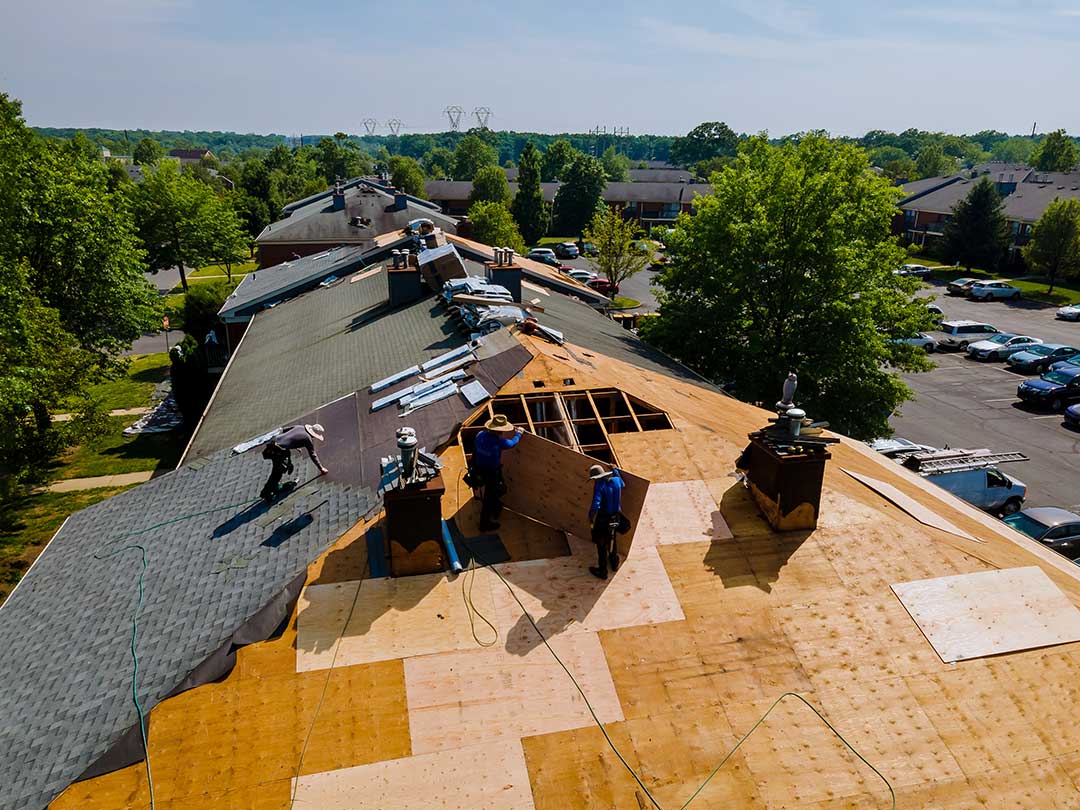
If a roof lets in water, replacing sections or even the full surface could quickly become urgent, especially ahead of wet spring or heavy snowfall months. Materials such as slate or metal may show different aging patterns, but any sudden change from prior years is reason for a closer look. In some cases, past repairs may have used mismatched materials with a much shorter lifespan.
Does Roof Type or Age of Home Matter for Cortland Residents?
Older homes often feature materials or installation methods that are not commonly used today, which makes their expected lifespans harder to estimate. Many historic houses use multiple layers, recycled shingles, or older underlayment that may not perform as well against regional weather. New construction usually involves modern materials with predictable lifespans, but even these rely on ventilation and insulation to fulfill their expected service.
Homeowners who know when their roof was last replaced—or who have records of previous repairs—are at an advantage. Those unsure of their roof’s age can look for clues in building permits, neighborhood trends, or visible condition when comparing to nearby properties.
Are There Common Myths About Roof Lifespan Locally?
It’s sometimes mistakenly believed that all asphalt shingle roofs last the same length of time even in the same city, but minor differences—shade, attic ventilation, year installed, roof pitch—make a real difference. Similarly, some residents expect metal to last forever, yet exposure to salt, tree sap, or improper fastener use can cause problems much earlier. Not all early leaks require a roof replacement; spot repairs or improved flashing may solve the issue for several years.
While some manufacturers offer long warranties, these do not always match real-world results after harsh winters or storms. A roof’s actual longevity depends not only on the advertised material rating but on installation quality and day-to-day conditions unique to individual neighborhoods.
What Should Area Households Do to Maximize Roof Longevity?
For residents hoping to get the most from their investment:
- Check your attic for signs of leaks or poor airflow each season.
- Keep gutters and downspouts clear of blockages after fall and spring.
- Trim back any branches that could fall during storms or increase debris on your roof.
- Observe after heavy snowfall—look for uneven melting, which sometimes signals heat loss or problems with insulation.
Even without annual ladder checks, being attentive to changes over time—like new discoloration, damp smells, or the sound of dripping during rain—can alert homeowners to action needed before a major failure occurs.
With attention to practical maintenance and regional weather, area roofs can often exceed average expectations for usable years.
