
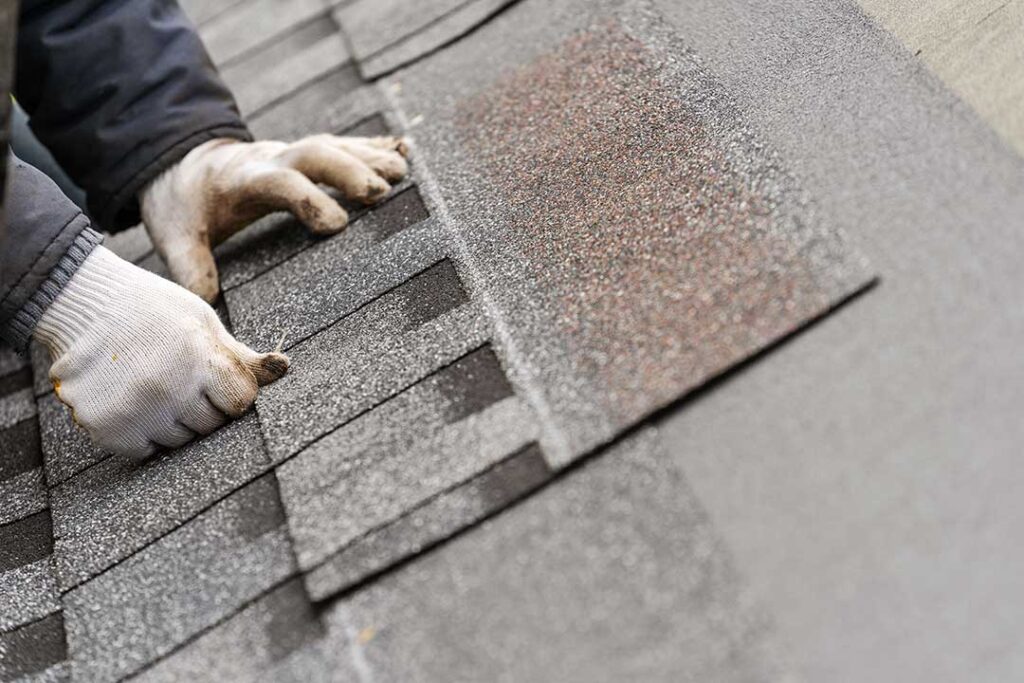
What Is Roof Underlayment and Why Does It Matter?
Roof underlayment is a layer of material installed directly onto the roof deck, beneath shingles or other roofing finishes. It acts as an extra barrier to help keep water, snow, and wind-driven rain from reaching the wood and structure below. In Cortland, NY, where weather can swing between icy winters and rainy springs, underlayment plays a critical role in preserving the lifespan of local roofs.
What Are the Main Types of Roof Underlayment Used in the Area?
Several types of underlayment are found on homes throughout the city. The most common include:
- Asphalt-saturated felt (known as “felt paper” or “tar paper”)
- Synthetic underlayment sheets
- Rubberized asphalt membranes, often called “ice and water shield”
For many older homes, traditional felt paper was once standard. Today, synthetic products have gained popularity because they’re more durable, lighter, and generally provide stronger tear resistance, especially during installation or wind events. Ice and water shield is often installed along roof edges, valleys, and other vulnerable areas to help protect against leaks from ice dams and heavy rain.
How Does Underlayment Protect Against Cortland Weather?
Underlayment acts as a crucial backup if shingles are damaged, displaced, or worn down. In the local climate, the following challenges make this backup layer especially valuable:
- Heavy snow and freeze-thaw cycles can create ice dams, forcing water beneath shingles.
- Winds during storms may lift, crack, or blow off roofing materials.
- Spring and fall rains test the water-resistance of every roof.
Properly installed underlayment minimizes the risk of leaks, rot, and mold by providing an added layer of defense if the main roof covering fails, even temporarily.
Where Is Underlayment Required or Most Critical?
Building codes in Cortland require roof underlayment for nearly all types of roofing. Local code also calls for specialized underlayment, such as ice and water shield, along eaves—especially in areas where ice dams are likely. Underlayment is critical:
- On roofs with lower slopes, where water doesn’t shed as quickly
- Along valleys, edges, and penetrations like chimneys or skylights
- On older homes with irregular decks or historic construction details
Skipping or skimping on underlayment in these spots is a common cause of water damage and shortened roofing lifespan.
What Should Residents Know When Replacing or Inspecting Roof Underlayment?
When reroofing, old underlayment is normally removed and replaced. Homeowners should look for:
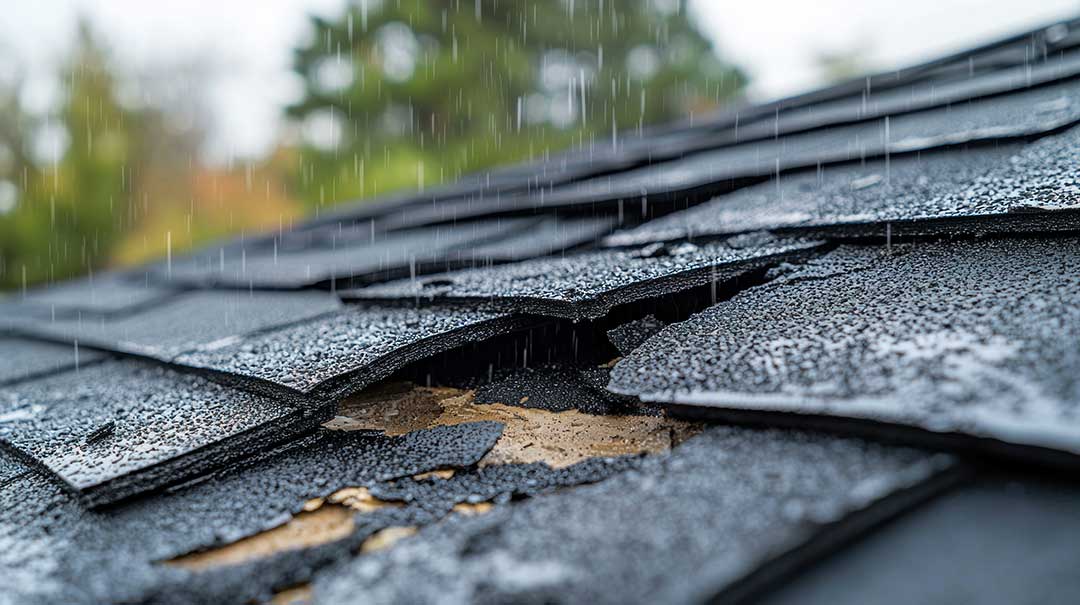
- Brittle, torn, or heavily wrinkled material (all signs it’s time to replace)
- Sagging or wet underlayment, which indicates existing moisture or ventilation issues
- Ice and water shield that’s peeling or not sealing to the deck
Inspection is difficult without removing shingles, but visible leaks in attics, stained wood, or musty odors can point to underlayment problems even if the outer shingles appear intact.
Is There More Than One Layer of Underlayment?
On many homes in Cortland, especially newer construction or homes with complex roof shapes, roofers may install two layers: a synthetic underlayment for general coverage and an additional ice and water shield in high-risk zones. This approach delivers layered protection against both everyday rain and seasonal ice damming.
In some cases, homeowners are surprised to discover multiple generations of underlayment layered during past repairs. While adding another layer on top of the old may seem convenient, best practice is to start fresh for full protection and code compliance.
Common Misconceptions About Roof Underlayment
Local residents sometimes believe that new shingles alone will keep a roof watertight, or that underlayment is only necessary on “problem” roofs. In reality, all roofs benefit from this specialized barrier, and neglecting it is a significant risk in areas facing freeze, wind, and wet weather.
Another frequent misconception is that synthetic underlayment is always superior. While synthetic products are generally more durable and less prone to tearing than felt, using the most appropriate product for the slope, roofing material, and home age is what matters most.
How Does Underlayment Impact Energy Efficiency and Home Comfort?
While roof underlayment is largely about moisture protection, it can provide minor insulation against wind-driven cold and heat. When paired with proper roof ventilation and modern attic insulation, a well-installed underlayment layer supports indoor comfort and helps local homes avoid issues like attic condensation, mold, or draftiness.
What’s the Lifespan, and When Should It Be Replaced?
Most asphalt felt underlayments last about as long as a typical shingle roof—15 to 25 years—provided there are no leaks or major storm damage. Synthetic versions often claim longer durability, sometimes 30 years or more. Spot repairs sometimes make sense if isolated damage is found, but widespread wear, water staining, or mold are cases where full roof and underlayment replacement are the safest choices.
Replacing underlayment is not usually a DIY project. Handling and sealing these materials, especially ice and water shield, poses risks for those inexperienced with roofing work or safety requirements. Any significant damage, or plans for a full roof replacement, are the right moments to address underlayment as a part of the project.
