
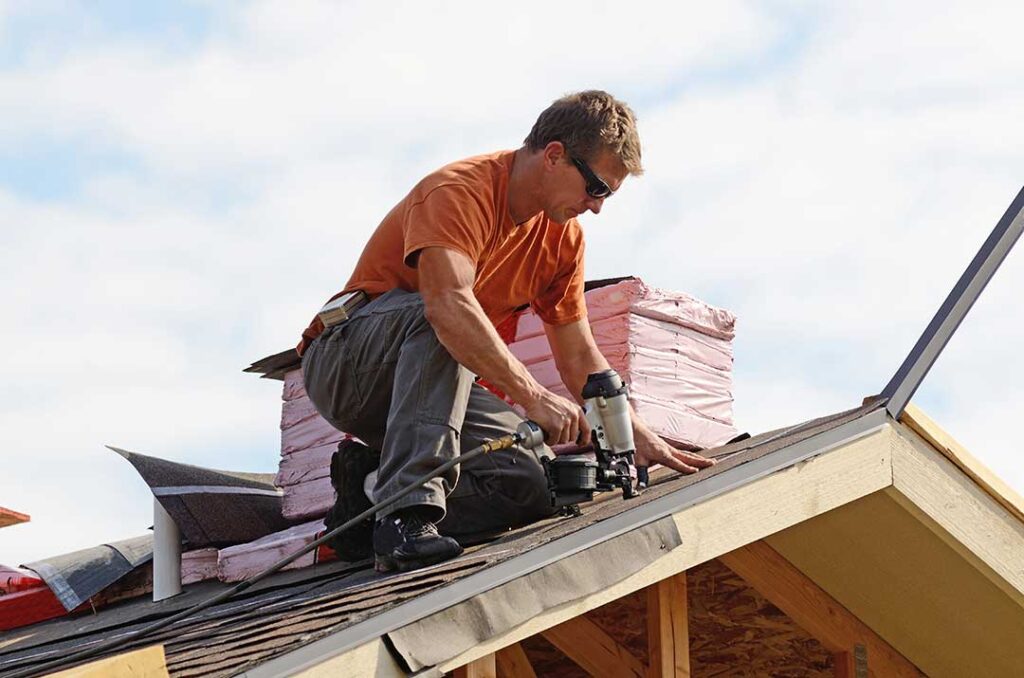
What Really Happens If You Ignore Small Roof Problems?
Even minor roofing issues—like a missing shingle or a tiny leak—can trigger bigger problems if left unaddressed. In places like Cortland, NY, where weather brings heavy snow, freezing rain, and summer storms, small roof defects are more likely to spiral into damage throughout the structure of a house. Moisture can sneak through, wood can rot, and what once looked like a cosmetic issue can quietly become a structural headache for homeowners.
Many residents wonder if a minor leak or a few loose shingles can be safely ignored until the next season. In reality, even small flaws often get much worse as moisture repeatedly works its way beneath the roofing surface, weakening what’s underneath and leading to growing repairs.
How Does the Cortland Climate Influence Roof Damage?
Cortland faces freeze-thaw cycles, humid summers, and significant snowfall—which all increase wear on local roofs. When water penetrates a weak spot, it may freeze and expand in winter, forcing shingles and flashing further apart and deepening cracks. In high-humidity months, trapped moisture can foster mold and rot.
Specific issues that get worse in the city’s climate include:
- Ice damming along gutters, which can push water up under shingles
- Heavy snow loads stressing already-weakened roof decking
- Quick temperature swings, causing materials to contract and expand, worsening any openings
The constant exposure to moisture in the city means leaks don’t just stay leaks—they often spread. The damp environment also accelerates the growth of moss and algae, which cause extra wear.
What Kinds of Undetected Damage Can Develop?
Most roof problems aren’t visible from the ground. Water entering through a compromised area may travel through insulation, drip behind walls, or pool between ceiling materials before obvious signs like stains or mold appear indoors. This means that by the time a leak appears inside, hidden damage is often already widespread.
Common hidden consequences include:
- Rotted wooden beams or roof decking
- Rusted fasteners or loose components
- Mold spreading inside attic insulation or wall cavities
- Sagging ceilings or bulging drywall
- Reduced effectiveness of attic insulation (increasing heating costs)
Local homeowners often underestimate how quickly water damage can move through these building layers, especially during wet or stormy periods.
Can Ignoring Problems Affect Energy Efficiency?
Yes—roofing damage has a direct impact on both energy efficiency and comfort indoors. As insulation gets wet or compressed by leaks, it loses its ability to retain heat in winter and block heat in summer. Even small roof gaps allow heated air to escape or humidity to invade, raising the strain on HVAC systems.
In practice, Cortland area households might notice:
- Rising heating bills in winter as insulation fails
- Drafts or uneven indoor temperatures
- Air conditioning struggling to keep up in summer
Over time, the added costs of inefficient heating and cooling can rival the expense of prompt roof repairs.
How Do Delayed Roof Repairs Impact Home Value and Insurance?
Even if the roof damage seems isolated, local real estate values can be affected by its condition—especially when it comes time to sell. Homebuyers in the city often request documentation and recent inspection reports on a roof’s state, aware that repairs in the regional climate can be costly.
Delays can also complicate insurance claims. Many policies limit coverage if they determine damage was due to long-standing neglect rather than a sudden event.
Potential consequences include:
- Lower offers from buyers who anticipate roof replacement
- Insurance claims being reduced or denied
- Longer market times when selling, as home inspections reveal old leaks
Are There Safety and Health Risks for Residents?
While many think of roof problems as just a practical nuisance, they can pose direct risks. Persistent water intrusion encourages the growth of mold and airborne spores, which can affect respiratory health—especially for young children, seniors, or those with allergies.
In severe cases, water-weakened roofing may lead to:
- Ceiling collapse in living spaces or attics
- Slippery surfaces from ongoing leaks or drips
- Electrical hazards if wires are exposed to moisture
Though most minor roof issues won’t create immediate dangers, Cortland’s moisture-rich environment means risks grow the longer repairs are put off.
How Quickly Can Minor Problems Escalate in Local Homes?
While some assume they’ll have months before issues worsen, Cortland’s combination of rain, snow, and humidity can turn a minor concern into a major one by the next season. Ice dams or a single storm can widen gaps and force water into new areas. What starts as a small repair bill one spring might result in substantial costs for wood replacement or mold remediation by fall.
Local patterns of homes with aging roofs or older construction materials are particularly at risk. Many properties in the community have roofs nearing the end of their lifespan, making vigilance and prompt action all the more important.
What Are Common Misconceptions Local Residents May Have?
Some area homeowners believe that if a leak “isn’t dripping inside yet,” it’s not urgent. In reality, water may be causing damage out of sight for months before reaching a living space. Another misconception is that repairs can wait until the weather improves—yet even moderate rainfall or a brief thaw can exacerbate hidden damage.
Other frequently overlooked factors include:
- Believing that “patch jobs” are a long-term fix
- Assuming new shingles alone resolve underlying rot
- Ignoring attic ventilation or insulation's role in moisture management
Understanding these local realities helps residents make informed decisions before minor roofing problems add up to major expenses and risks.
