

Proper attic insulation helps a home stay warmer in winter, cooler in summer, and less vulnerable to moisture-related damage. In Cortland, NY, where heating seasons are long and winter weather can bring cold temperatures, snow, and ice, the attic is one of the most important parts of the building envelope to evaluate.
Insulation is only one part of the system. Effective attic performance also depends on air sealing, ventilation, moisture control, and the condition of the roof itself.
What does attic insulation do?
Attic insulation slows the movement of heat between the living space and the attic. During winter, it helps retain heat indoors. During warmer weather, it reduces the amount of heat transferred from the roof and attic into the rooms below.
The result can include:
- More consistent indoor temperatures
- Less strain on heating and cooling equipment
- Fewer cold ceilings and drafts
- Reduced risk of ice dams caused by uneven roof temperatures
- Better protection for ceilings and attic framing
Insulation does not stop air movement by itself. Gaps around light fixtures, plumbing pipes, electrical wiring, chimneys, attic hatches, and ductwork can allow warm household air to enter the attic. That air carries moisture, which can condense on cold roof surfaces or framing.
Why is attic insulation especially useful in this area?
Cold-climate homes experience repeated temperature changes throughout the year. A poorly insulated attic may allow heated air to escape during winter and absorb excessive heat during summer.
Snow on a roof can make attic problems easier to notice. If heat escapes through thin insulation or unsealed openings, it can warm portions of the roof from below. Snow may melt unevenly, then refreeze near colder roof edges. This process can contribute to ice dams, which may back water beneath roofing materials.
Attic insulation cannot correct every ice-dam problem. Roof design, drainage, ventilation, air leakage, snow conditions, and gutter placement also matter. However, reducing heat loss through the attic is an important part of maintaining a more uniform roof temperature.
How much insulation should an attic have?
The appropriate amount depends on the home’s construction, the insulation material, the roof assembly, and the applicable energy code. In New York, attic insulation requirements have generally been based on high R-values suitable for a cold climate, but code requirements can change and may differ between new construction and existing-home improvements.
R-value measures resistance to heat flow. A higher R-value generally provides greater resistance, but the number alone does not guarantee good performance. Insulation that is compressed, wet, poorly fitted, or interrupted by gaps will not perform as intended.
In an older home, insulation may be uneven or shallow. Some areas may have adequate depth while others have exposed attic-floor sections. A visual inspection should look for:
- Bare sections of attic floor
- Compressed fiberglass batts
- Settled or contaminated loose-fill insulation
- Darkened areas that may indicate air leakage or moisture
- Insulation blocking soffit vents
- Missing insulation around the attic hatch
- Insulation disturbed by electrical or plumbing work
Depth markings can help estimate whether loose-fill insulation is evenly distributed, but the material type and condition also matter.
Why should air sealing happen before adding insulation?
Air sealing and insulation serve different purposes. Air sealing blocks uncontrolled movement of air; insulation slows heat transfer.
If new insulation is placed over unsealed openings, warm indoor air may still enter the attic. Moisture can then collect above the insulation, especially during cold weather. This can contribute to frost, damp wood, mold growth, peeling paint, or deterioration of roof components.
Common air-leak locations include:
- Recessed lights that are not rated for insulation contact
- Plumbing and electrical penetrations
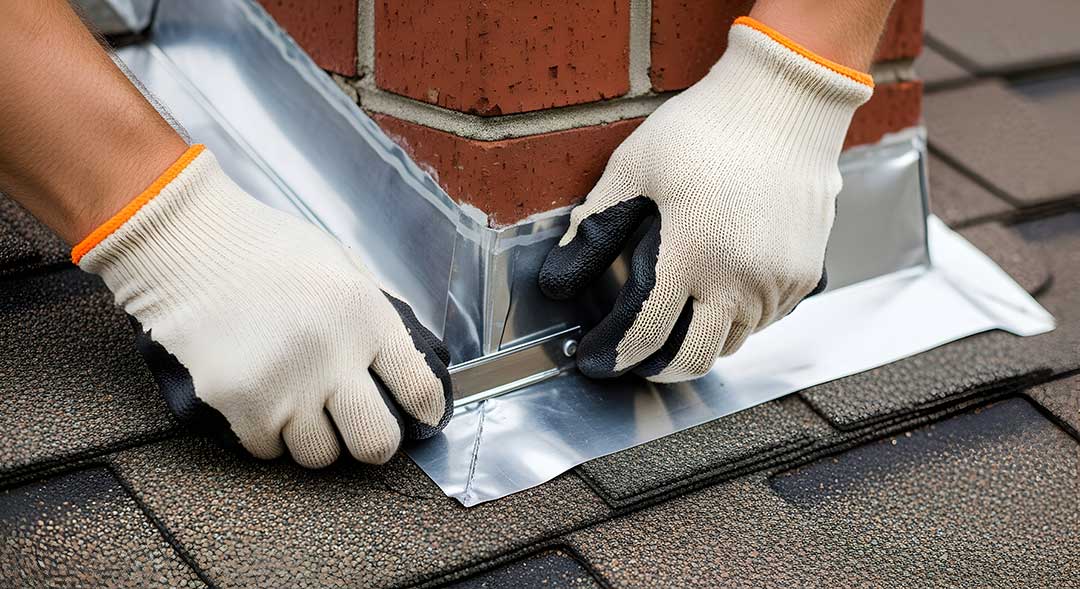
- Gaps around chimneys and flues
- Attic stairways and pull-down ladders
- Duct penetrations
- Wall-top plates
- Open soffits or partition walls
- Ceiling cracks and unsealed joints
Combustion-related areas require special care. Materials must not be placed too close to chimneys, flues, heat-producing equipment, or other components unless the installation is designed for that use. Blocking ventilation pathways or covering unsafe wiring can also create hazards.
Does attic insulation replace ventilation?
No. Insulation and ventilation perform separate functions.
In a typical vented attic, intake air enters near the soffits and exits through high points such as ridge, gable, or roof vents. This airflow helps manage heat and moisture in the attic space. Insulation should not be packed into soffit ventilation channels, because doing so can restrict airflow.
Baffles or rafter vents can help maintain a clear path from the soffits into the attic. They are especially useful when additional insulation is installed near the roof edges.
Ventilation is not a substitute for air sealing. An attic can have plenty of vents and still receive excessive moisture from the living space below. The most reliable approach is to control air leakage at the ceiling plane while preserving designed ventilation paths.
Which insulation materials are commonly used?
Fiberglass batts and blown fiberglass are widely used because they are relatively lightweight and do not absorb much water. Their performance depends on complete coverage and proper installation.
Cellulose is a loose-fill material made largely from processed paper fibers. It can provide good coverage around irregular areas, but it must be installed to the correct depth and protected from moisture.
Spray foam can create both insulation and air sealing, but it changes the design of the attic assembly. It may be applied at the attic floor or along the underside of the roof deck, depending on the building design. Because it can affect ventilation, fire protection, moisture behavior, and access to roof components, it is not a simple replacement for traditional attic-floor insulation.
No material is automatically the right choice for every home. Existing moisture, roof leaks, wiring, ventilation, access, and future maintenance should be considered first.
Can insulation hide roof or moisture problems?
Yes. Adding insulation over an unresolved leak can make the source harder to find and may trap damp materials against the attic floor or framing.
Before insulating, the attic should be checked for:
- Roof leaks around penetrations and flashing
- Water stains or active dripping
- Frost or heavy condensation
- Mold-like growth
- Wet or compressed insulation
- Damaged roof sheathing
- Bathroom fans that discharge into the attic
- Missing or blocked ventilation
- Signs of animals or nesting
Bathroom and kitchen exhaust should discharge outdoors through properly designed ductwork, not into the attic. Moist indoor air released into a cold attic can create persistent condensation problems even when the roof itself is sound.
When does attic insulation need special caution?
Attic work may involve electrical hazards, unstable walking surfaces, nails, limited visibility, fiberglass irritation, mold, animal waste, and hot or poorly ventilated conditions. The ceiling below is usually not designed to support regular foot traffic, so stepping only on structural framing or installed walkways is essential.
Extra caution is warranted when insulation is near older wiring, heating equipment, chimneys, recessed fixtures, or suspected asbestos-containing materials. Hazardous conditions and code-related questions require appropriate evaluation before materials are disturbed.
For area households, well-installed attic insulation is best understood as part of a larger roof and home-performance system. Adequate coverage, careful air sealing, clear ventilation, and moisture control work together to protect comfort, energy use, and the long-term condition of the roof structure.
