
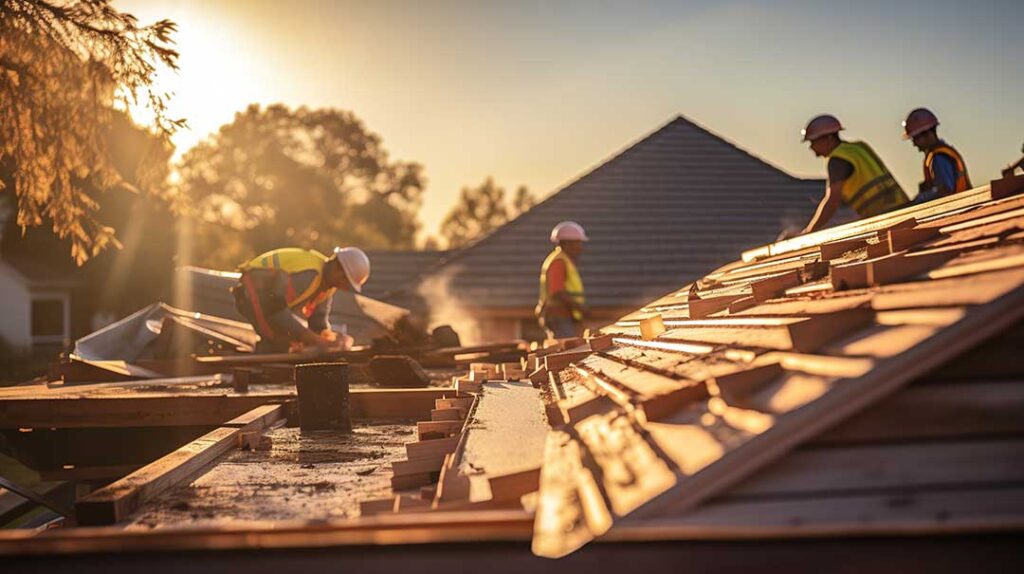
What Are Roofing Scams and Why Are They a Concern for Cortland, NY Residents?
Roofing scams happen when individuals or groups pose as legitimate contractors and trick homeowners into paying for work that is unnecessary, incomplete, or never done. In Cortland, NY, where roof maintenance is essential due to cold winters, ice dams, and frequent freeze-thaw cycles, homeowners can become targets—especially after storms or during busy repair seasons.
Scammers often exploit a sense of urgency, such as after a windstorm or heavy snowfall, knowing that damaged roofs can’t wait. They pressure local residents to make quick decisions or pay upfront. These schemes can leave residents with unfinished repairs, substandard work, or empty bank accounts.
How Can Residents Quickly Spot Common Roofing Scams?
A few tell-tale signs frequently indicate roofing fraud. Recognizing these patterns helps area households stay safe:
- Unsolicited door-to-door offers following storms, especially when urgency is emphasized
- Requests for large initial payments in cash or untraceable forms
- Vague or missing written contracts
- Pressure to sign agreements immediately
- No physical business address or local references
- Refusal to provide documentation such as insurance proof or identification
If any combination of these behaviors appears, it’s wise to pause and investigate further, rather than agreeing on the spot.
What Are the Most Common Tactics Used by Scammers in the Local Area?
In Cortland, residents have reported scams such as:
- "Storm chasers" traveling through neighborhoods after bad weather, claiming urgent repairs are needed or offering free inspections that become high-pressure sales pitches.
- Promises of deals today only, with the claim that materials are discounted or leftover from a previous job.
- Requests for all or most of the payment before work starts—or quick payment for unseen "damages" discovered during an on-site visit.
- Offering to "handle the insurance claim" or asking homeowners to sign over insurance checks, which can lead to incomplete work or legal problems.
These methods often overlap with legitimate roofing activity, which is why clear, slow decision-making is key.
What Should Be Included in a Legitimate Roofing Agreement?
Before any repair or installation begins, make sure the agreement covers crucial details:
- Full scope of work described in plain language, including materials and timelines
- Itemized, clear pricing for labor and parts
- Payment schedule based on progress, not in advance
- Written proof of liability and worker’s compensation insurance
- Business address, phone number, and ways to verify experience or past work
A reputable party shouldn’t hesitate to share this information. Beware of verbal-only agreements or contracts with blank spaces.
How Can Area Homeowners Verify a Roofer’s Credentials?
In Cortland, official requirements or registration may be different from other places, but homeowners should look for:
- Proof of insurance coverage to protect against job-site injuries or property damage
- Personal ID matching the contract name (not just a business card)
- Local references from previous customers, ideally with addresses or photos
- Online presence, such as a website or local reviews, but keep in mind that fake reviews are possible
- Willingness to provide a physical mailing address and a way to reach them beyond a cell number
It’s also wise to contact local code enforcement or municipal offices to check if there are any restrictions, complaints, or required permits before major roofing projects.
What Should Residents Do if Pressured by a Roofer After a Storm?
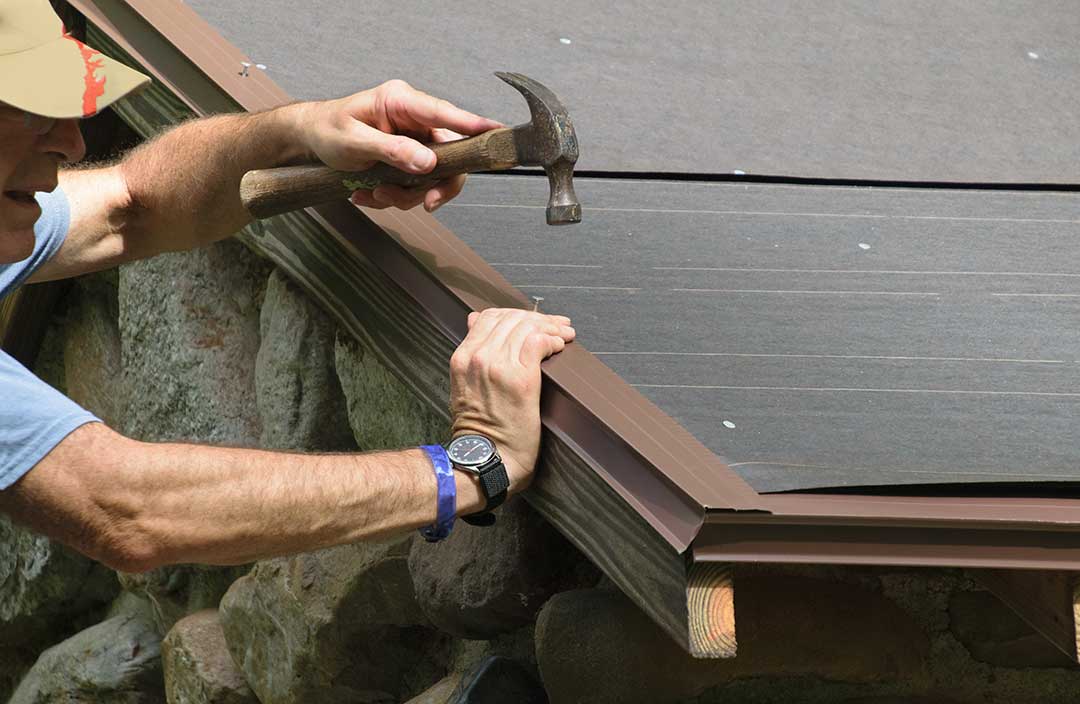
If someone arrives uninvited after high winds, ice damage, or hail, remain calm and avoid snap decisions. A few protective steps include:
- Thank the person for the notice but decline any inspection unless you first check their background
- Obtain their business card or written estimate, but do not sign anything immediately
- Take your own photos of suspected damage, especially on visible areas like gutters or eaves
- Consult trusted neighbors—many scammers attempt to canvass entire streets, so coordinated responses are effective
Storm season can bring out both legitimate helpers and opportunists; careful screening helps distinguish between the two.
Can Payment Scams Be Avoided in Roofing Projects?
Rushed or unusual payment requests are a major red flag. Instead, area residents should:
- Never pay the full amount upfront. A standard practice is to pay a deposit only after a contract is reviewed and materials are delivered.
- Avoid cash payments when possible; checks or credit cards provide a paper trail.
- Be skeptical of requests for instant payment via apps, gift cards, or wire transfers.
- Keep all receipts and communications in writing for future reference.
If a payment feels rushed or nonstandard, it is usually safer to delay and re-evaluate.
What Regulations or Consumer Protections Are in Place for Local Homeowners?
While specific contractor licensing may differ by project in the city, residents have recourse if they suspect fraud or shoddy workmanship. Practical steps include:
- Reporting concerns to area code enforcement, who may track repeat offenders
- Contacting the New York State Attorney General’s office with details, especially if monetary loss occurs
- Saving all written documents, contracts, advertisements, and payment records as evidence
Knowing that protections exist can help area households act quickly if something doesn’t seem right, reducing financial risk.
Are There Any Unique Local Factors Affecting Roofing Scams?
In Cortland, the regular freeze-thaw cycle and occasional severe weather increase the urgency and frequency of roof repairs, especially in older homes or those with complex rooflines. This seasonal reality draws more traveling contractors and out-of-area workers seeking rapid work during busy periods. Homeowners should be especially attentive after storms, and during early spring and late fall, when minor leaks or ice dam issues may suddenly require repairs.
Additionally, the presence of rental properties and student housing increases the volume of work and can make identifying legitimate, long-term local contractors more challenging. Area residents should remain alert during these seasonal peaks and always confirm business backgrounds before agreeing to any work on their homes.
