
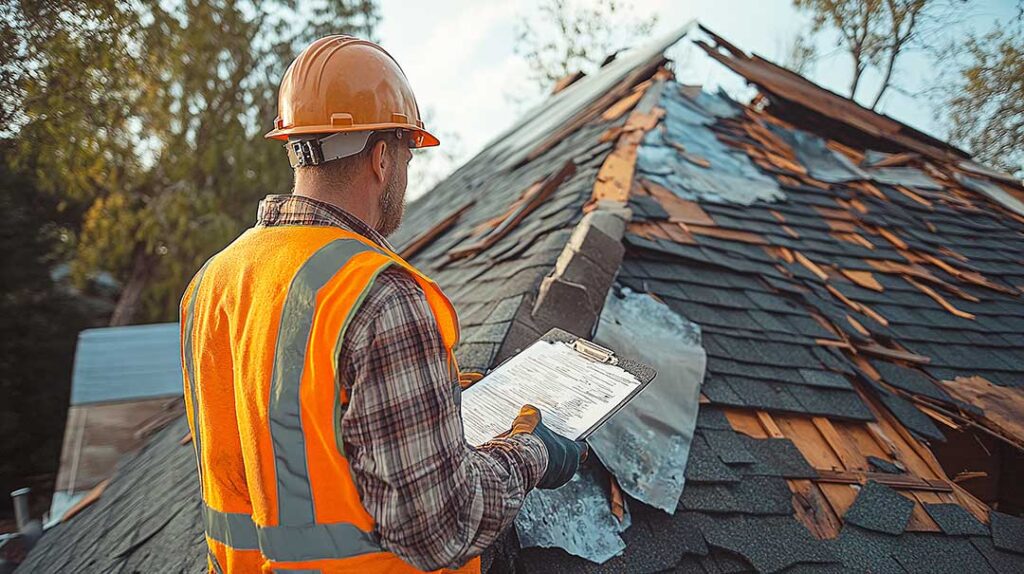
What should be documented before an insurance claim is filed?
The strongest roof-damage documentation shows what happened, when it happened, what areas were affected, and whether the damage created an immediate risk to the home. Clear photos, written notes, weather information, repair receipts, and previous roof records can help an insurance adjuster understand the condition without relying only on a verbal description.
In Cortland, NY, roof problems may follow heavy snow, ice buildup, wind, hail, falling branches, or repeated freeze-thaw cycles. Because damage is not always visible from the ground, documentation should begin with a careful exterior and interior review—but only from safe locations.
Do not climb onto a wet, icy, steep, or visibly unstable roof to take pictures. A roof claim is not worth risking a fall.
What should be photographed first?
Begin with wide photographs that show the entire side of the home or roof section, then take closer images of individual damage. This gives the insurer both context and detail.
Useful exterior photographs may include:
- The front, rear, and both sides of the home
- The roofline from several angles
- Missing, lifted, cracked, or displaced shingles
- Dented metal flashing, vents, gutters, downspouts, or siding
- Fallen limbs or other objects that struck the roof
- Granules collected in gutters or around downspout outlets
- Areas where water appears to be entering
- Damage to detached structures, if covered by the policy
Take some photos from a distance before moving closer. A close-up of a broken shingle may not show where it is located. Include a ruler, tape measure, or familiar object beside the damage when size matters, but avoid placing anything on an unstable roof surface.
Photographs should be clear and unedited. If a phone automatically adds a date or location, keep the original file as well as any marked-up copy.
How should interior water damage be recorded?
Interior documentation should show both the damage and its location in the house. Photograph stained ceilings, damp walls, peeling paint, wet insulation, damaged flooring, and affected personal property.
For each room:
- Take a wide photo showing the room and the damaged area.
- Take closer photos of stains, bubbling, sagging, or discoloration.
- Photograph furniture, electronics, clothing, or other belongings that were affected.
- Record the approximate date the damage was first noticed.
- Note whether the area changed after rain, melting snow, or a freeze.
If a ceiling is sagging or bulging, keep people away from the area. Water may be accumulating above it. Do not puncture the ceiling unless directed by a qualified emergency responder or another person responsible for making the area safe.
A stain does not always identify the exact source of a leak. Water can travel along roof framing, insulation, wiring, or plumbing before appearing indoors. Documentation should describe what is visible without assuming a cause that has not been confirmed.
What written information should accompany the photos?
Photos are more useful when paired with a short timeline. Write down facts while they are fresh rather than trying to reconstruct events weeks later.
A basic record can include:
- The date and approximate time the damage was discovered
- The weather conditions before the damage appeared
- Whether there was heavy snow, strong wind, hail, ice, or a falling branch
- The rooms or roof sections affected
- When dripping, staining, or other symptoms began
- Temporary steps taken to limit additional damage
- Any conversations with the insurance company
- Dates and descriptions of inspections or emergency work
For example, a note might state: “Water stain appeared on the second-floor ceiling after snow began melting on March 18. Shingles were not viewed from the roof. A container was placed below the drip, and the ceiling area was kept clear.”
Specific observations are more useful than statements such as “the roof is ruined” or “the storm destroyed everything.” Avoid guessing about the age of damage, the exact cause, or the cost of repairs unless that information is supported by records.
Should damaged materials be thrown away?
Usually, damaged materials and belongings should be preserved until the insurer has had a reasonable opportunity to inspect them, unless keeping them creates a health or safety problem. Moldy, wet, or contaminated materials can pose risks, and some items may need to be removed to prevent further damage.
Before disposal:
- Photograph the item in its original location.
- Photograph it from several angles.
- Record what it is, when it was purchased, and its approximate value.
- Keep receipts, manuals, warranties, or other ownership records if available.
- Save a small sample of a damaged material when practical and safe.
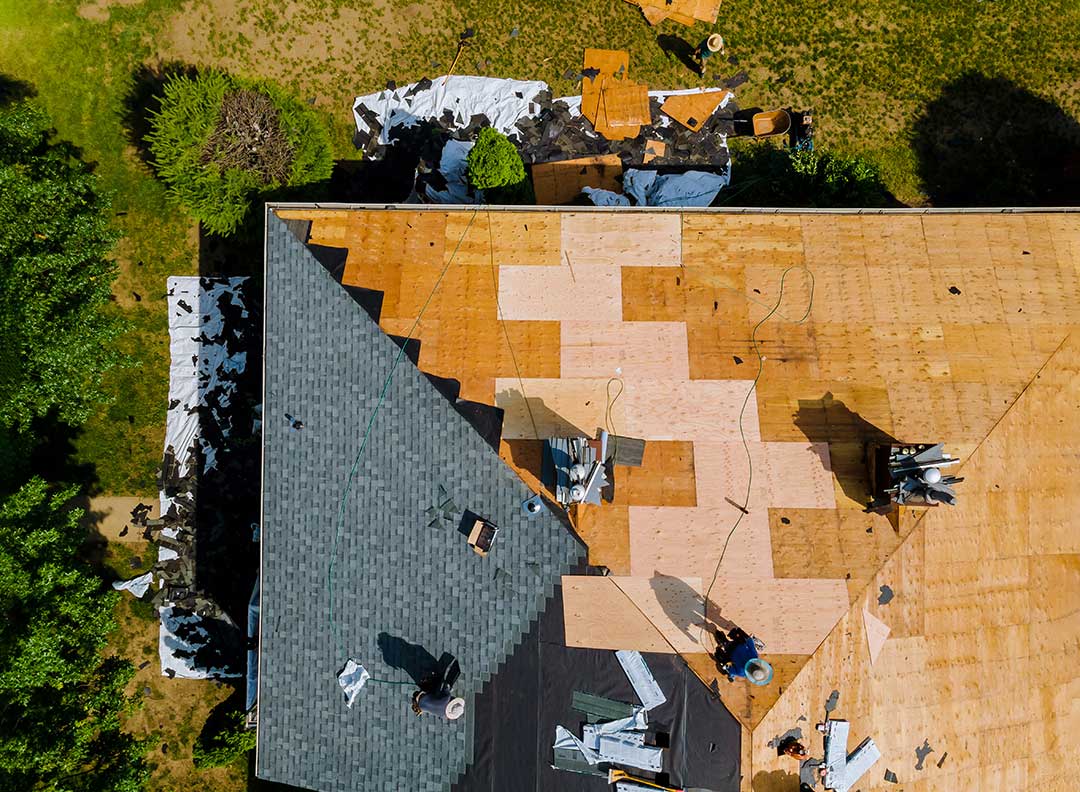
If an item must be discarded immediately, document why it could not be safely stored. Keep disposal receipts where possible. The policy may require reasonable steps to prevent additional damage, but it may also require records of what was removed.
What temporary repairs are reasonable?
Temporary measures may be necessary to prevent more water from entering the home. Examples include placing containers under leaks, moving belongings away from water, covering damaged contents with plastic, or arranging temporary protection over an exposed area when conditions permit.
Temporary protection should not be confused with permanent repair. Keep receipts for materials, emergency labor, equipment rental, cleanup, or temporary lodging if the home becomes unsafe. Photograph the condition before and after temporary measures.
Do not make permanent changes before the insurer has reviewed the damage unless delaying the work would create a greater risk to the home or occupants. If urgent work is necessary, save removed materials and request a written description of what was done.
How can homeowners document the age and condition of the roof?
Insurance coverage often depends on the policy, the cause of loss, exclusions, deductibles, and the roof’s prior condition. Records showing earlier maintenance can help establish what the roof looked like before the event.
Useful records may include:
- Purchase or closing documents
- Roofing invoices or receipts
- Permit records, when applicable
- Inspection reports
- Home-maintenance notes
- Photos taken before the storm
- Records of gutter cleaning, flashing repairs, or ice-related work
Older photos from family albums or real-estate listings may show the roof before the damage, but they should not be altered or presented as recent. If no previous records exist, say so. Lack of photographs does not automatically prove that damage was pre-existing.
What weather information should be saved?
Record the date of the suspected event and preserve any available weather alerts, local warnings, or personal observations. A weather report may help establish that wind, hail, snow, or ice occurred, but it does not by itself prove that a particular roof was damaged.
Write down what was observed at the property, such as branches on the ground, shingles found in the yard, hail accumulation, unusual roof sounds, or water entering during a specific period. Avoid relying on memory alone, especially when several storms occur close together.
What common documentation mistakes should be avoided?
Several mistakes can make a claim harder to evaluate:
- Taking only close-up photos with no location context
- Cleaning up or repairing everything before photographs are taken
- Guessing the cause or age of damage
- Deleting original photo files
- Failing to photograph undamaged areas for comparison
- Discarding damaged belongings without recording them
- Mixing damage from separate storms into one timeline
- Posting assumptions or accusations publicly instead of keeping factual records
A well-organized file can include folders for exterior photos, interior photos, personal property, weather records, receipts, and correspondence. Use filenames that include the date and location, such as “2026-10-06-kitchen-ceiling-water-stain.”
The purpose of documentation is not to prove more damage than exists. It is to create an accurate record of the home’s condition, the event that may have caused the damage, and the steps taken to keep the situation from getting worse.
