
What Does Re-Roofing Mean?
Re-roofing is the process of installing a new layer of shingles over an existing layer. This method can extend the lifespan of a roof without removing the previous roofing material, making it appealing to local residents seeking a less involved process. Re-roofing is generally only an option when the existing roof has a single layer of shingles that is still in good structural condition. If leaks, rot, or heavy water damage exist, re-roofing is not recommended, as it may only temporarily cover deeper issues.
For many older homes in Cortland, re-roofing can seem attractive because it promises faster results and typically involves less disruption to daily life. However, it’s important to recognize that this method doesn’t address problems in the underlying decking or insulation, which is especially relevant in a climate known for heavy snowfall and freeze-thaw cycles.
What Is a Full Roof Replacement?
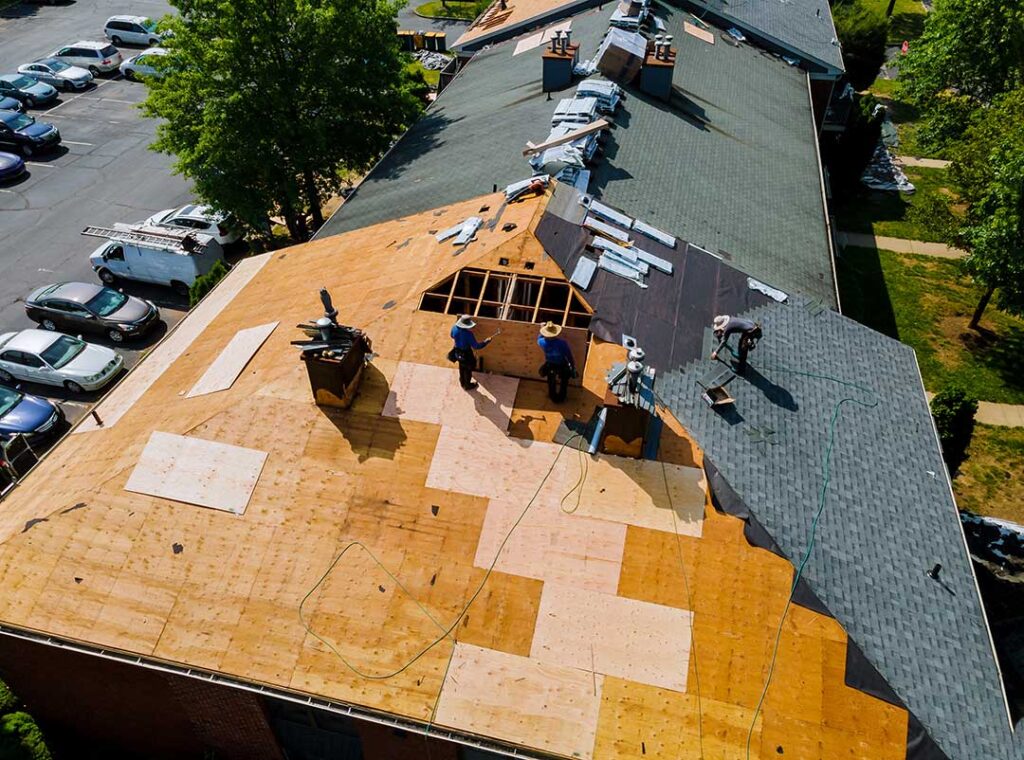
A full roof replacement involves removing all existing roofing material down to the bare decking, followed by an inspection and, if needed, repair of the wooden structure underneath. New underlayment and shingles are then installed. Unlike re-roofing, a full replacement allows homeowners in the city to address structural issues such as rot, mold, warping, or damage caused by ice dams—issues sometimes hidden by old shingles.
This approach is required if:
- There are already two layers of shingles on the roof (building codes generally do not allow a third layer).
- The roof has significant leaks or visible sagging.
- There is evidence of water intrusion in the attic or ceiling.
- The roofing materials are significantly deteriorated or there are signs of mold, mildew, or decay.
In neighborhoods with many historic or aging homes, replacing the roof is often the only way to protect a home’s structure and interior from seasonal moisture, ice buildup, or wind-driven rain common in central New York.
How Do Local Conditions in Cortland Affect These Choices?
Cortland’s weather plays a significant role in deciding between re-roofing and replacement. With snowy winters, freezing temperatures, and occasional storms, even a minor roofing defect can quickly lead to more serious and expensive damage.
The heavy snowfall typical in the area means roofs must support significant weight. If weakened decking is present, simply adding shingles won’t solve underlying risks. Frequent freeze-thaw cycles can also worsen small leaks or cracks hidden beneath multiple layers of roofing.
In addition, local building regulations generally restrict homeowners from having more than two layers of shingles on any roof. This exists for both fire safety and structural reasons, especially important for older frame houses in the community.
What Are the Key Differences in Cost, Lifespan, and Disruption?
While re-roofing can be less expensive and faster—often completed in a day or two—it does not correct deeper issues such as rotting wood or leaks that originate below the shingles. Residents might save on upfront costs, but hidden structural issues can lead to further repairs, especially after severe weather.
Roof replacement is a larger investment in terms of money and time, but it ensures any undetected damage is addressed. This is often a better long-term solution for homes that have not been thoroughly maintained or that show signs of interior water damage.
- Re-roofing: Lower cost; shorter project; less mess; does not expose or repair wooden decking.
- Replacement: Higher initial cost; takes longer; involves more debris and noise; addresses all layers of roofing and structure.
It’s a common misconception in the city that re-roofing can fix any problem. In reality, it only deals with the surface—improving appearance and providing short-term protection.
Can You Always Choose Re-Roofing Over Replacement?
Not always. Re-roofing is generally limited to situations where:
- Only one layer of shingles is present.
- The underlying structure is solid and free of moisture or rot.
- The roof isn’t sagging or showing signs of widespread damage.
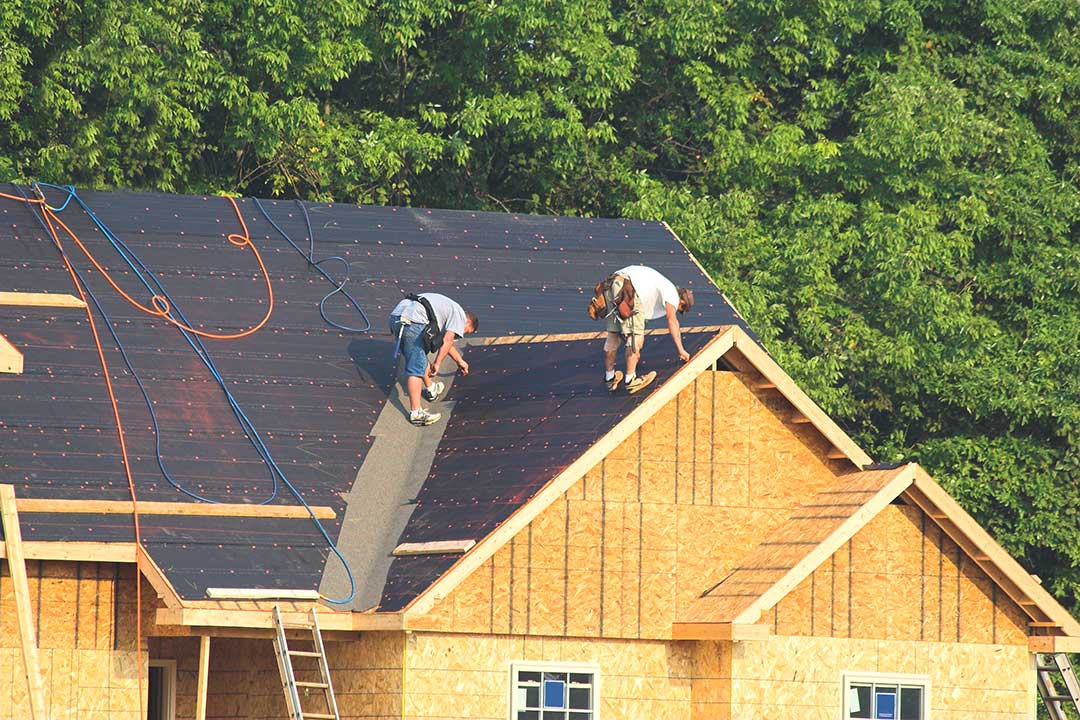
Building codes and practical safety concerns prevent area homeowners from continually adding new layers. If there’s any uncertainty about the roof’s true condition, or if shingles are curling, brittle, or patched in multiple places, replacement offers the most reliable path forward.
What Should Residents Watch For With Aging Roofs?
With so many homes in Cortland built before the 1980s, local roofs often reach the end of their lifespan sooner than some expect, especially after years of freeze, thaw, and heavy precipitation. Warning signs indicating re-roofing may no longer be an option include:
- Repeated or large leaks inside the home.
- Significant shingle loss after wind events.
- Moss, algae, or mold growing on shingles.
- Soft spots in the roof deck felt underfoot.
Ignoring these can allow small issues to evolve into major structural repairs, especially after a particularly snowy or icy winter.
Are There Any Local Considerations With Regulations or Permits?
Roofing in the city typically requires a permit if a full tear-off is involved. Local building codes also limit how many shingle layers a roof may have and may specify allowable materials. For historic homes or homes in regulated districts, additional guidelines could apply regarding style, color, or material.
Area households planning roof work should be aware of regulations about debris disposal and street access, especially in more densely built parts of the community.
Why Is Repairing the Decking Sometimes Overlooked?
It’s easy to assume a roof’s problems all start with the visible shingles, but the wooden decking underneath is critical to long-term weather protection. Because re-roofing skips the step of exposing the deck, damage or moisture can remain hidden, only to become a bigger concern later.
For homes that have experienced ice dams, attic moisture, or noticeable sagging, having the decking evaluated during a replacement can prevent long-term issues with insulation, ventilation, and overall energy efficiency.
