
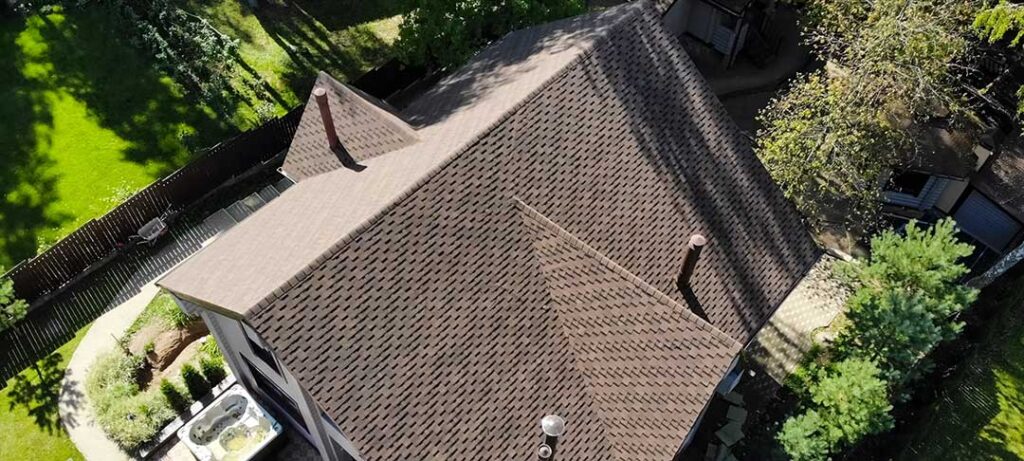
Why Does Fall Roof Maintenance Matter in Cortland, NY?
Early action in autumn helps local households protect roofing materials from damage caused by the region’s changing weather. Maintaining your roof in the fall reduces risks from heavy leaf fall, clogged gutters, sudden temperature shifts, and the onset of winter precipitation—a combination that’s common in Cortland.
Neglected fall care can lead to leaks, ice dams, premature shingle wear, and even interior home issues once the snow sets in. Simple practices in October or November save residents from costlier repairs once harsher conditions arrive.
What Are the Most Common Fall Roofing Issues Local Residents Experience?
Homeowners in the community often ask about leaf buildup, water drainage, and early signs of wear. The most frequent concerns include:
- Clogged gutters and downspouts from falling leaves and twigs
- Moss or algae growth from lingering moisture on north-facing or shaded roofs
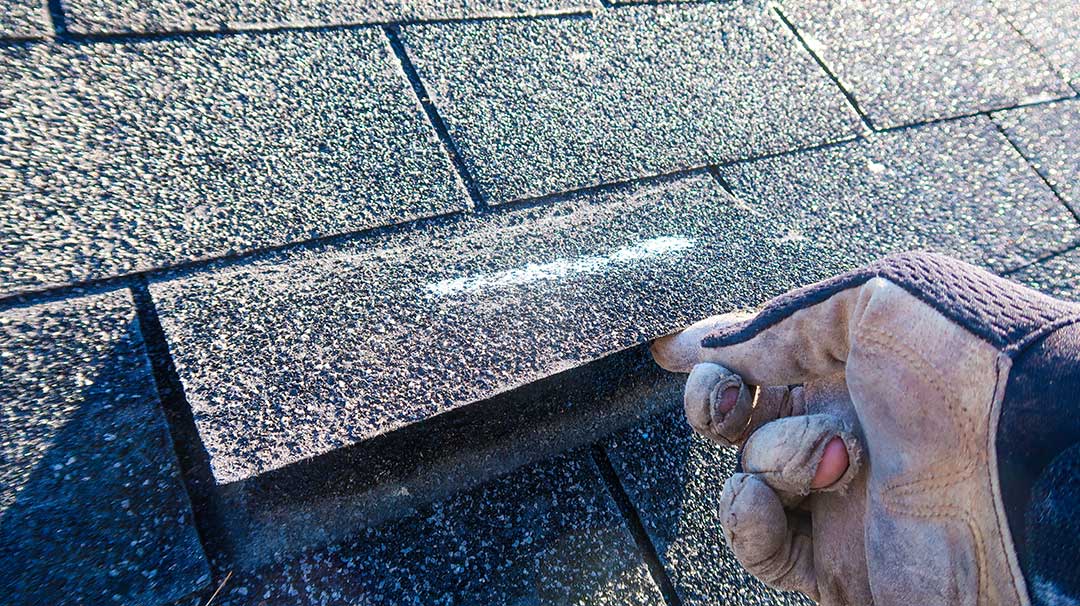
- Shingle granule loss after summer storms
- Loose or missing flashing around chimneys and vents
- Small animal activity, such as squirrels or birds dislodging soffit vents
Cortland’s leafy neighborhoods with aging tree canopies and frequent autumn rain make these challenges especially relevant.
How Should Gutters Be Cleaned and Checked for Safety?
Clearing gutters every fall is essential to prevent water backing up onto the roof or along siding. Overflowing gutters—especially during stormy fall days—often lead to leaks and ice dams later in the season.
Begin by confirming ladders are secure and placed on flat ground. Scoop out leaves and debris starting at the downspouts, using a gutter trowel or gloved hands. After clearing, rinse with a garden hose to check for clogs or leaks. If water does not flow consistently, inspect downspouts and gentle bends for hidden obstructions.
Regular cleaning prevents water from freezing in the gutter system—a common winter hazard in the area.
Which Areas of the Roof Require Close Inspection Each Fall?
After basic gutter work, a visual scan from the ground or a stable ladder helps identify potential trouble spots. Focus on:
- Shingle condition: Look for curling, cracking, lifting, or areas where granules are missing.
- Flashing: Check around chimneys, skylights, attic vents, and roof valleys for gaps or corrosion.
- Eaves and edges: Inspect where leaves tend to gather and where moisture may linger.
- Roof penetrations: Review pipes, satellite mounts, or solar panel brackets for cracked sealants.
If binoculars or a camera with a zoom lens are available, use them first to avoid unnecessary climbing—especially when roofs are already slippery from morning dew or leaf litter.
What Is the Best Way to Remove Leaves and Debris from the Roof?
A leaf blower with a gentle setting can safely clear dry leaves from most roofing materials. Always blow leaves downward off the roof, never into valleys or up against flashing. For homes surrounded by large maples or oaks typical of Cortland neighborhoods, more than one cleaning per autumn might be necessary.
Avoid using rakes or stiff brooms, as these can damage asphalt shingles or dislodge protective granules. Moss or lichen growth should only be addressed with specific roof-friendly cleaners or physically removed using soft methods to preserve the roof’s surface.
How Can Residents Spot Water Damage or Early Leaks?
Indoor signs often give the first warning of a potential problem. Residents should monitor:
- Water stains on upstairs ceilings or along exterior walls
- Bubbling or peeling paint near the attic or upper bedroom corners
- Persistent dampness or musty odors after rain
Externally, pay attention to dark streaks, excessive shingle granules in gutters, or warped wood near eaves. Detecting leaks early in the fall reduces the risk of extensive interior damage before freeze-thaw cycles begin in earnest.
Is It Necessary to Prune Trees or Branches That Overhang Roofs?
Trimming back overhanging branches each fall reduces wear on shingles and limits debris accumulation. Branches that scrape or shade the roof can foster moss growth and physically damage the roof surface during high winds.
For safety, prune branches away from roof edges using appropriate tools (pole saws, pruning shears) on dry, stable days. Trim any limbs within six to ten feet of the roof to prevent them from falling and causing punctures or dents during late fall storms.
Are There Local Hazards or Concerns Unique to Roof Maintenance in the Area?
Heavy leaf fall, frequent freeze-thaw patterns, and attic humidity are more pronounced in the city due to climate and housing density. Residents should give special attention to:
- Ice dam risk: Adequate attic insulation and ventilation can reduce ice buildup at roof edges.
- Moss on shaded roofs: Persistent autumn shade due to dense local trees encourages moss, which should be removed before winter moisture sets in.
- Wildlife intrusion: Squirrels and raccoons may use vulnerable spots to enter attics, particularly in older homes. Repair gaps or weak points promptly.
Homeowners installing string lights or outdoor decorations should also take care not to lift shingles or create unintended punctures, as these often lead to leaks when snow arrives.
When Is Professional Help Advised?
Most fall maintenance can be performed by residents with careful planning and appropriate safety precautions. However, situations involving electrical wires, severe roof pitch, unstable structures, or large tree limbs hanging low over the house should be handled with outside assistance to avoid injury.
If snow or ice arrives before all tasks are complete, postpone roofing work until conditions improve, as slippery surfaces increase the risk of falls.
